Buying your first home in Clintonville can feel exciting and a little overwhelming. You want the neighborhood charm, a fair price, and a clear path from offer to keys. This guide gives you practical, local steps so you know what to expect in an area with older homes, active demand, and unique due diligence. You will learn how to prepare, what inspections matter most, how offers work here, and how to close with confidence. Let’s dive in.
Why Clintonville works for first-timers
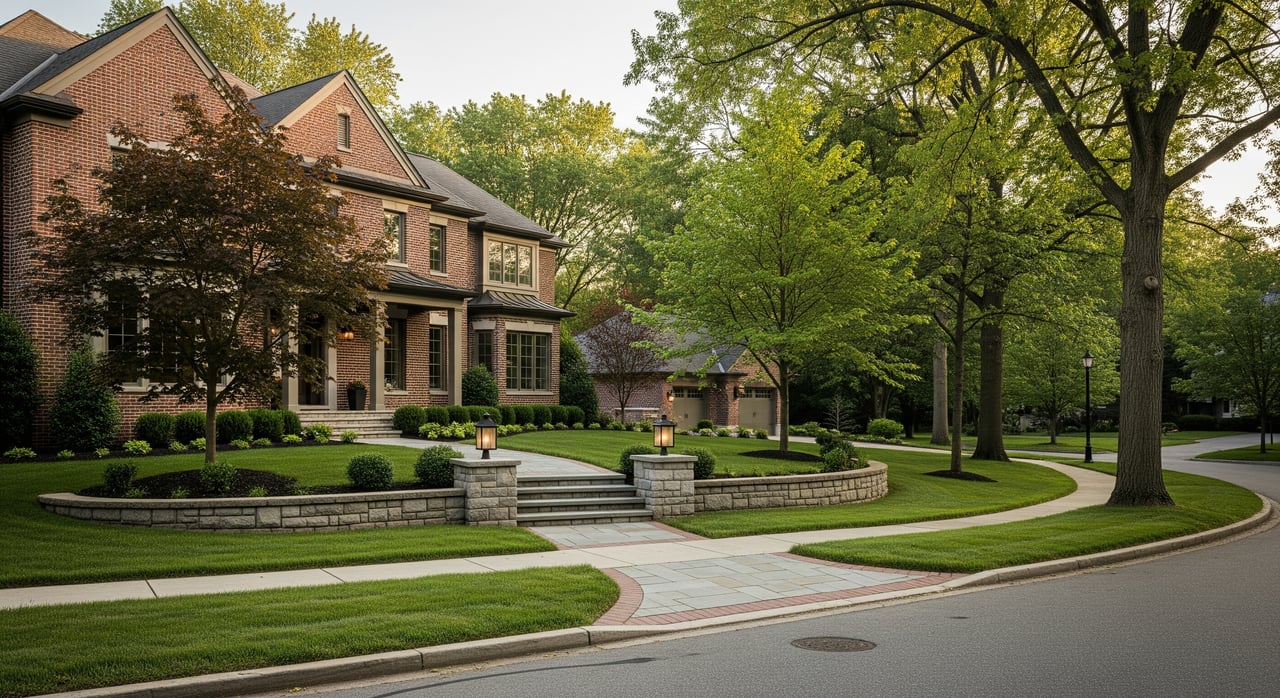
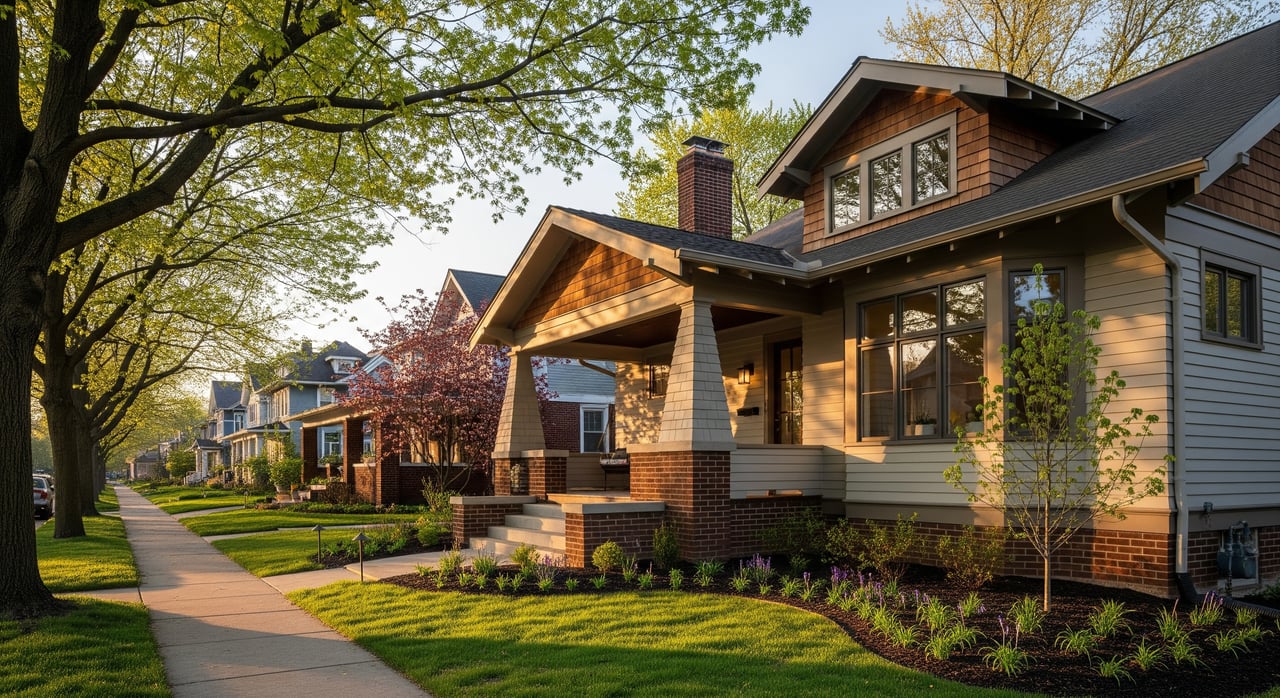
Clintonville pairs classic Columbus neighborhood character with city convenience. You will find tree-lined streets, porches, and early to mid‑20th‑century homes, along with pockets of newer infill. That mix creates options — from move‑in ready to light fixer — for a range of budgets.
Location adds to the appeal. You are a short drive to central Columbus, with nearby parks and local retail corridors that boost day‑to‑day livability. If public transit matters, check current routes and frequency with the Central Ohio Transit Authority to plan your commute.
Because many homes are older, you should plan for careful inspections and possible updates. Clintonville also includes areas with neighborhood guidelines or preservation considerations. If you hope to remodel, confirm permit rules with the City of Columbus Department of Development and ask about any local review processes early in your search.
Get pre‑approved first
In Clintonville’s competitive pockets, a strong pre‑approval is your foundation. Seek a full pre‑approval, not just a prequalification. Your letter should state your loan type, a realistic maximum loan amount, and a recent date. Local lenders who know Columbus housing stock can flag issues that affect underwriting and timetables.
If you need help with upfront costs, explore first‑time buyer programs. The Ohio Housing Finance Agency offers statewide down payment and closing cost assistance. The City of Columbus and Franklin County may also provide homebuyer resources. Program terms, income limits, and availability change, so review current details before you shop.
House hunt like a local
Expect mostly single‑family homes on smaller lots, plus condo and small multifamily conversions. You will see both turnkey homes and properties that need systems updates. Set clear filters for your must‑haves, and consider proximity to High Street, parks, sidewalks, and parking rules.
Keep an eye on real‑time trends as you search. You can monitor current median price, days on market, and inventory through Columbus REALTORS market reports. Always date any figures you use and remember that sub‑neighborhoods can move at different speeds.
If schools factor into your decision, confirm current district boundaries directly with the district. Boundaries and assignments can change, so verify instead of relying on third‑party maps.
Make a strong offer
Your offer typically includes price, earnest money deposit, financing and inspection contingencies, appraisal contingency, closing date, and any credits or repairs you request. Earnest money in the region is often 1 to 3 percent of the purchase price, held in escrow and applied at closing per contract terms.
Contingency windows here commonly run 7 to 14 days for inspections, with similar timeframes for appraisal and loan approval. In multiple‑offer situations, some buyers shorten contingency periods, increase earnest money, or use escalation clauses. These tactics can help, but understand the trade‑offs. For example, waiving or compressing inspections reduces protection and increases risk.
Consider appraisal planning if you offer above list price. If an appraisal comes in low, you may need to bring cash to cover some or all of the gap, renegotiate, or use your contingency to cancel. Build this possibility into your budget before you write.
Inspections you should expect
Clintonville’s older homes make thorough inspections essential. Common inspections include:
- General home inspection covering structure, roof, foundation, HVAC, plumbing, and electrical
- Sewer scope to check the condition of older lateral lines
- Wood‑destroying insect inspection
- Radon test, because Ohio has varying radon levels and testing provides clarity
- Chimney and fireplace inspection where applicable
Expect to evaluate older electrical systems, potential basement moisture, aging plumbing, and mechanicals near end‑of‑life. If a home was built before 1978, you will receive the federally required lead‑based paint disclosure. Your inspector can advise on any recommended follow‑up or specialist evaluations.
After inspections, you can request repairs or credits. Sellers may agree, counter with a credit, or decline. Focus on safety and major systems. Cosmetic items rarely win concessions in a competitive setting.
Appraisal and underwriting
Your lender orders the appraisal to confirm value for the loan. In neighborhoods with unique homes and thin comps, appraisals can be tricky. Appraisers prioritize recent comparable sales that match in size, location, and condition.
If the value comes in lower than the contract price, you have options. You can bring additional cash, negotiate a price reduction, request a reconsideration of value, or cancel if your contingency allows. Your lender will guide timing, which typically runs 7 to 14 business days after ordering, depending on local volume.
Closing timeline and steps
From offer acceptance to closing, most financed purchases take about 30 to 45 days. Cash purchases can close faster. Title work runs in parallel with your loan. The title company orders a title search to confirm ownership and identify liens or encumbrances. You can verify assessed values and tax status through the Franklin County Auditor and payment information through the Franklin County Treasurer.
Before closing, you will complete a final walk‑through to confirm the home’s condition and any agreed repairs. Keys typically transfer once funds clear and documents record, usually coordinated by the title company.
Condo vs single‑family
Both options exist in Clintonville. The right fit depends on your budget, maintenance preference, and long‑term plans.
- Single‑family pros: more control over the property, no HOA dues in most cases, and flexible renovation options. Cons: you handle exterior and yard upkeep, and purchase prices can be higher.
- Condo pros: lower exterior maintenance and often a lower entry price. Cons: HOA dues, rules on pets and rentals, and the need to review HOA financial health.
If you consider a condo, review HOA documents closely. Look at budgets, reserves, insurance coverage, special assessments, and any rental or pet restrictions. Ask your lender to confirm financing eligibility for FHA, VA, or conventional loans, since some associations do not qualify.
Costs, taxes, and insurance
Budget beyond your down payment. Typical Ohio closing costs include lender fees, title and escrow charges, and prorated taxes. Exact amounts vary by lender, title company, and property, so ask your team for estimates.
Property taxes are assessed at the county level. You can look up property‑specific values and tax history through the Franklin County Auditor, and confirm payment schedules with the Franklin County Treasurer. Ask about any applicable exemptions or abatements.
Homeowners insurance premiums depend on the age and condition of the home. Older systems, detached accessory structures, or unique features can increase costs. If the property is near creeks or low‑lying areas, confirm floodplain status and whether separate flood insurance is recommended.
For condos, verify the monthly HOA dues and what they include. Clarify whether the HOA’s master policy covers the exterior only or if you need additional interior coverage.
Smart local tips
- Do not skip a professional home inspection. Older homes hide issues that only a trained inspector can uncover.
- Order a sewer scope and radon test. These two checks are common here and can prevent expensive surprises.
- Verify any planned renovations with the City of Columbus Department of Development and ask about neighborhood review. Some streets follow preservation guidelines that affect exterior work.
- Track the market. Review current supply, median price, and days on market through Columbus REALTORS. Trends shift seasonally and by micro‑area.
- Plan your commute. Check route options and timetables with COTA if you rely on transit.
- Request utility history. Older homes with original systems or limited insulation may have higher utility costs.
Your next step
If you want a clear plan for buying your first home in Clintonville, a local guide makes all the difference. From pre‑approval to keys, you should feel informed, protected, and confident. Reach out to schedule a quick planning call, map your budget, and line up an offer strategy that fits the neighborhood rhythm. Connect with Amy Giessler to get started today.
FAQs
What is the current median home price in Clintonville?
- Check the latest figure in the monthly market reports from Columbus REALTORS, and note the date since prices change.
How competitive is the Clintonville market right now?
- Review months of inventory and days on market in recent Columbus REALTORS reports to gauge speed and competition.
Do older Clintonville homes need major systems work?
- Many do; plan to evaluate electrical, plumbing, roof, HVAC, foundation, and basement moisture during inspections, then budget accordingly.
Are there down payment assistance options for first‑time buyers?
- Start with the Ohio Housing Finance Agency for statewide programs and look for City of Columbus or Franklin County resources; eligibility varies.
What inspections are recommended for Clintonville homes?
- A general home inspection, sewer scope, radon test, and pest inspection are common; add chimney or specialist checks as advised by your inspector.
Should I buy a condo or a house in Clintonville?
- Condos usually offer lower maintenance and entry cost but include HOA rules and dues; single‑family homes offer more control with more upkeep and potentially higher prices.